Take advantage of new pension tax reforms

The new pension tax reforms that were announced in the recent Spring Budget took effect from 6 April 2023. The old £40,000 cap on annual pension contributions has been increased by 50% to £60,000, with effect from 6 April 2023. Tax relief for contributions to pension schemes is given at a taxpayer’s marginal rate of Income Tax and is subject to the increased underlying limits. Taxpayers will continue to be able to carry forward unused annual allowances the last three tax years if they have made pension savings in those years.

The lifetime allowance was the maximum amount of pension and/or lump sum that benefits from tax relief. The lifetime allowance was removed from 6 April 2023 and will be fully abolished in a future Finance Bill. Both of these changes are intended to incentivise older employees to continue in work whilst continuing to build additional pension savings.

In addition, the adjusted income threshold for the Tapered Annual Allowance increased from £240,000 to £260,000 on 6 April 2023. Those earning over £260,000 (from 6 April 2023) will see their £60,000 annual allowance tapered. For every complete £2 income exceeds £260,000 the annual allowance is reduced by £1. The annual allowance cannot be reduced to less than £10,000 (2022-23: £4,000). The Money Purchase Annual Allowance also increased to £10,000 (2022-23: £4,000) from 6 April 2023.

The maximum amount that most individuals can claim as a Pension commencement lump sum (PCLS) was historically based on a cap of 25% of the available lifetime allowance. In the current tax year, there remains a PCLS upper monetary cap of £268,275 (based on 25% of the 2022-23 lifetime allowance). Any individuals who already had a protected right to take a higher PCLS will continue be able to do so.

Source: HM Treasury Tue, 18 Apr 2023 00:00:00 +0100

Scottish government announces new childcare initiatives

Scotland’s new First Minister Humza Yousaf has announced a new £15 million investment to help tackle child poverty. This investment will see thousands more low-income families benefit from free school age childcare.

Existing services for eligible families in areas of Dundee, Clackmannanshire, Glasgow and Inverclyde will be expanded, with new services set up in other communities across Scotland.

The money will also enable local football clubs to apply for funding totalling £2 million to support the provision of after school and holiday activities clubs, in a joint initiative with the Scottish Football Association.

There will also be nine other projects that will receive a share of the £15 million funding to continue offering childcare services in 2023-24.

The First Minister said:

'This £15 million investment is part of our work to build a system of year-round school age childcare – fully funded for those who need it most.

Scotland already has the most generous childcare offer anywhere in the UK. All three and four-year-olds and eligible two-year-olds are entitled to 1,140 hours a year of funded Early Learning and Childcare (ELC). We are working with partners to progress our childcare offer even further, with plans to expand ELC to one-year-olds and more two-year-olds.'

Source: The Scottish Government Tue, 18 Apr 2023 00:00:00 +0100

Rent-a-room relief

The rent-a-room scheme is a set of special rules designed to help homeowners who rent-a-room in their home. If you are using this scheme, you should ensure that rents received from lodgers during the current tax year do no exceed £7,500. The tax exemption is automatic if you earn less than £7,500 and there are no specific tax reporting requirements. If required, homeowners can opt out of the scheme and record property income and expenses as usual.

The relief only applies to the letting of furnished accommodation and is used when a bedroom is rented out to a lodger by homeowners in their home. The relief also simplifies the tax and administrative burden for those with rent-a-room income up to £7,500. The limit is reduced by half if the income from letting accommodation in the same property is shared by a joint owner of the property.

The rent-a-room limit includes any amounts received for meals, goods and services provided, such as cleaning or laundry. If gross receipts are more than the limit taxpayers can choose between paying tax on the actual profit (gross rents minus actual expenses and capital allowances) or the gross receipts (and any balancing charges) minus the allowance – with no deduction for expenses or capital allowances.

Source: HM Revenue & Customs Tue, 18 Apr 2023 00:00:00 +0100

The Let Property Campaign

The Let Property Campaign provides landlords who have undeclared income from residential property lettings in the UK or abroad with an opportunity to regularise their affairs by disclosing any outstanding liabilities whether due to misunderstanding the tax rules or due to deliberate tax evasion. Participation in the campaign is open to all residential property landlords with undisclosed taxes. The campaign is not suitable for those letting out non-residential properties.

Landlords who do not avail of the opportunity and are targeted by HMRC can face penalties of up to 100% of the tax due together with possible criminal prosecution.

HMRC's guidance regarding the campaign has been updated for the current tax year.

Taxpayers that come forward will benefit from better terms and lower penalties for making a disclosure. Landlords that make an accurate voluntary disclosure are likely to face a maximum penalty of 0%, 10% or 20% – depending on the circumstances – plus any tax and interest due. There are higher penalties for offshore liabilities. 

There are three main stages to taking part in the campaign, notifying HMRC that you wish to take part, preparing an actual disclosure and making a formal offer together with payment. The campaign is open to all individual landlords renting out residential property. That includes landlords with multiple properties and single rentals as well as specialist landlords with student or workforce rentals.

HMRC’s guidance on making a disclosure has been updated. The sections titled ‘Income you should include in your disclosure’ and ‘How many years to include in your disclosure’ have been updated.

Source: HM Revenue & Customs Tue, 18 Apr 2023 00:00:00 +0100

Tax Diary May/June 2023

1 May 2023 – Due date for corporation tax due for the year ended 30 July 2022.

19 May 2023 – PAYE and NIC deductions due for month ended 5 May 2023. (If you pay your tax electronically the due date is 22 May 2023).

19 May 2023 – Filing deadline for the CIS300 monthly return for the month ended 5 May 2023. 

19 May 2023 – CIS tax deducted for the month ended 5 May 2023 is payable by today.

31 May 2023 – Ensure all employees have been given their P60s for the 2022/23 tax year.

1 June 2023 – Due date for corporation tax due for the year ended 31 August 2022.

19 June 2023 – PAYE and NIC deductions due for month ended 5 June 2023. (If you pay your tax electronically the due date is 22 June 2023).

19 June 2023 – Filing deadline for the CIS300 monthly return for the month ended 5 June 2023. 

19 June 2023 – CIS tax deducted for the month ended 5 June 2023 is payable by today.

Source: HM Revenue & Customs Tue, 18 Apr 2023 00:00:00 +0100

What is profit?

When accountants or other interested parties refer to business profits, they are likely to mean the difference between sales and costs, and more concisely, that sales exceed costs.

However, the word “profits” can prove to be a moveable feast as HMRC, banks and traders will likely have a different interpretation.

For example, do costs include:

  • intangible overheads like depreciation;
  • the write-off of goodwill; or
  • taxation.

The distinctions can prove to be important especially if comparisons are being made between business profit centres or different businesses.

Company accounts display sales, costs, intangible write-offs and Corporation Tax charges, but any dividends taken by directors as part of their remuneration package – most directors of small companies take low salaries and high dividends to save NIC costs – are not deducted as a cost in the Profit & Loss account. And so reported profits after tax are not the complete story; any dividends taken by working directors need to be considered.

The question, what is profit, is therefore dependent for its usefulness as an indicator of a businesses’ health, only if its definition is fully appreciated.

Source: Other Mon, 17 Apr 2023 00:00:00 +0100

NMW non-compliance penalties

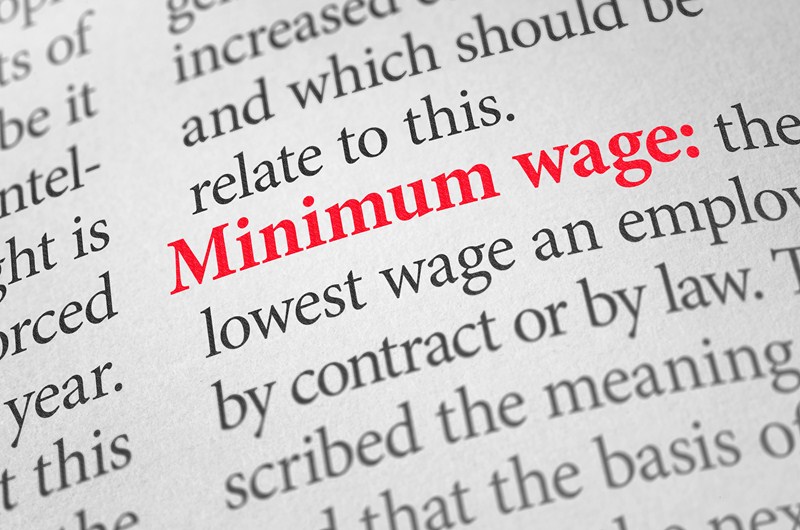
Employers must ensure they are paying staff at least the National Minimum Wage (NMW) or National Living Wage (NLW). The NMW and the NLW are the minimum legal amounts that employers must pay their workers.

The new NMW and NLW rates came into effect on 1 April 2023. The hourly rate for the NMW (for 21-22-year-olds) is £10.18 and for the NLW is £10.42. The NLW is the minimum hourly rate that must be paid to those aged 23 or over.

It is important that employers ensure they pay the necessary minimum wage rates as there are significant penalties for employers who are found to have paid workers less that they are entitled to by law. If an employee has been underpaid, the employer must pay any arrears without delay. There are penalties for non-payment of up to 200% of the amount owed. The penalties are reduced by 50% if all of the unpaid wages and 50% of the penalty are paid in full within 14 days.

The maximum fine for non-payment can be up to £20,000 per employee. Employers who fail to pay, face a 15-year ban from being a company director as well as being publicly named and shamed.

Source: HM Government Tue, 11 Apr 2023 00:00:00 +0100

Students and tax

Students that work may need to pay Income Tax and National Insurance. Employers are required to calculate the amount of tax they need to pay on the basis that the students would be working for the rest of the tax year.

This means that an overpayment of Income Tax can occur when a student or temporary worker earns more than their monthly tax-free allowance of £1,042, but over the course of the tax year earn less than their annual allowance. For example, a student only working over the summer period and earning more than £1,042 a month is unlikely to have exceeded the current £12,570 tax free personal allowance.

Students (and other temporary workers) are not required to pay Income Tax if their earnings are below the tax-free personal allowance, currently £12,570.

A refund of overpaid tax can be requested using an online version of the P50 form entitled Claim for repayment of tax. The P50 form can only be used if you are not going to work for at least the next 4 weeks and are not claiming certain state benefits.

Any students that are continuing to work for the rest of the tax year in part-time jobs should consider waiting until the end of the tax year to make a claim.

Source: HM Revenue & Customs Tue, 11 Apr 2023 00:00:00 +0100

Losing your personal income tax allowance

If you earn over £100,000 in any tax year your personal allowance is gradually reduced by £1 for every £2 of adjusted net income over £100,000 irrespective of age. This means that any taxable receipt that boosts your income over £100,000 will result in a reduction in personal tax allowances. Accordingly, your personal Income Tax allowance would be reduced to zero if your adjusted net income is £125,140 or above.

Your adjusted net income is your total taxable income before any personal allowances, less certain tax reliefs such as trading losses and certain charitable donations and pension contributions.

For the current tax year if your adjusted net income is likely to fall between £100,000 and £125,140 you would pay an effective marginal rate of tax of 60%.

If your income sits within this band you should consider what financial planning opportunities are available in order to avoid this personal allowance trap by reducing your income below £100,000. For example, by giving gifts to charity, increasing pension contributions and participating in certain investment schemes.

A higher rate or additional rate taxpayer who wanted to reduce their tax bill could make a gift to charity in the current tax year and then elect to carry back the contribution to 2022-23. A request to carry back the donation must be made before or at the same time as the 2022-23 Self-Assessment return is completed and filed, i.e., by 31 January 2024.

Source: HM Revenue & Customs Tue, 11 Apr 2023 00:00:00 +0100

Tax-free allowance on trading and property income

A reminder that there are two separate annual £1,000 tax allowances for property and trading income. If you have both types of income highlighted below, then you can claim a £1,000 allowance for each.

The £1,000 exemptions from tax apply in the following circumstances:

  • If you make up to £1,000 from self-employment, casual services (such as babysitting or gardening) or hiring personal equipment (such as power tools). This is known as the trading allowance.
  • If your annual gross property income is £1,000 or less, from one or more property businesses, you will not have to tell HMRC or declare this income on a tax return. For example, from renting a driveway or power tools. This is known as the property allowance.

Where each respective allowance covers all the individual’s relevant income (before expenses) the income is tax-free and does not have to be declared. Taxpayers with higher amounts of income will have the choice, when calculating their taxable profits, of deducting the allowance from their receipts, instead of deducting the actual allowable expenses. 

You cannot use the allowances in a tax year, if you have any trade or property income from:

  • a company you or someone connected to you owns or controls;
  • a partnership where you or someone connected to you are partners; and
  • your employer or the employer of your spouse or civil partner.

You cannot use the property allowance if you:

  • claim the tax reducer for finance costs such as mortgage interest for a residential property; and
  • deduct expenses from income from letting a room in your own home instead of using the rent-a-room scheme.
Source: HM Revenue & Customs Tue, 11 Apr 2023 00:00:00 +0100