
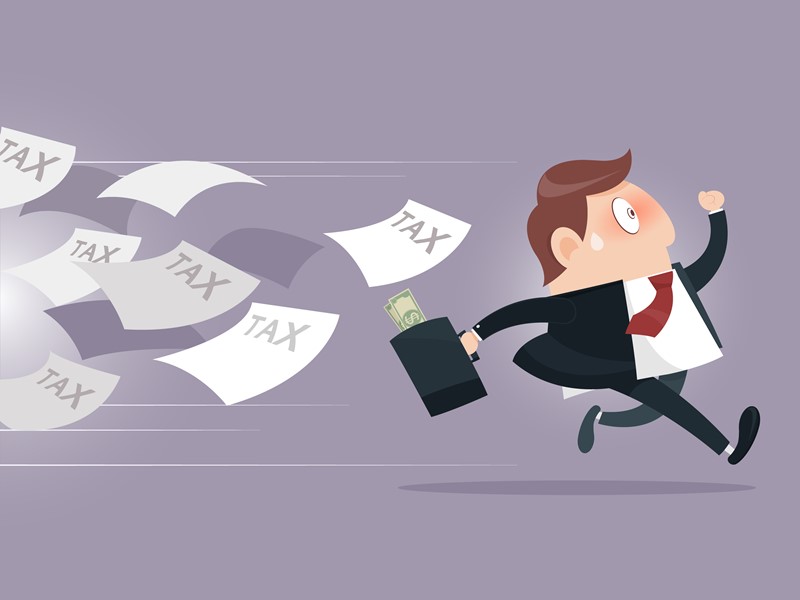
There is a distinction to be drawn between tax avoidance and tax evasion. Tax evasion is illegal and describes a situation where someone acts to deliberately evade tax. This could include deliberately submitting false tax returns, falsely claiming repayments or reliefs or hiding income, gains or wealth offshore.
Tax avoidance on the other hand can describe a situation whereby a taxpayer takes advantage of the tax rules to reduce the tax they pay without breaking the law.
However, the lines between the two can get blurred as can be seen in the comments made by HMRC below.
HMRC’s own guidance to help taxpayers spot the signs of tax avoidance, states that ‘tax avoidance involves bending the tax rules to try to gain a tax advantage that was never intended. It usually involves contrived transactions that serve no real purpose other than to artificially reduce the amount of tax that someone has to pay. It is not the same as effective tax planning but is often promoted as such'.
There is of course no restriction on taxpayers taking full advantage of tax reliefs and allowances in the legislation. This is not tax evasion [or tax avoidance in HMRC's terms] rather just paying the minimum allowable without breaking the law. Again, the lines between tax avoidance and tax planning can also get blurred. If you are approached to take part in a tax avoidance scheme, it is important to take proper professional advice and be aware that HMRC does not condone the use of schemes that they see as promoting tax avoidance.

+44 (0)20 3995 7700
D S House
306 High Street
Croydon
CR0 1NG
